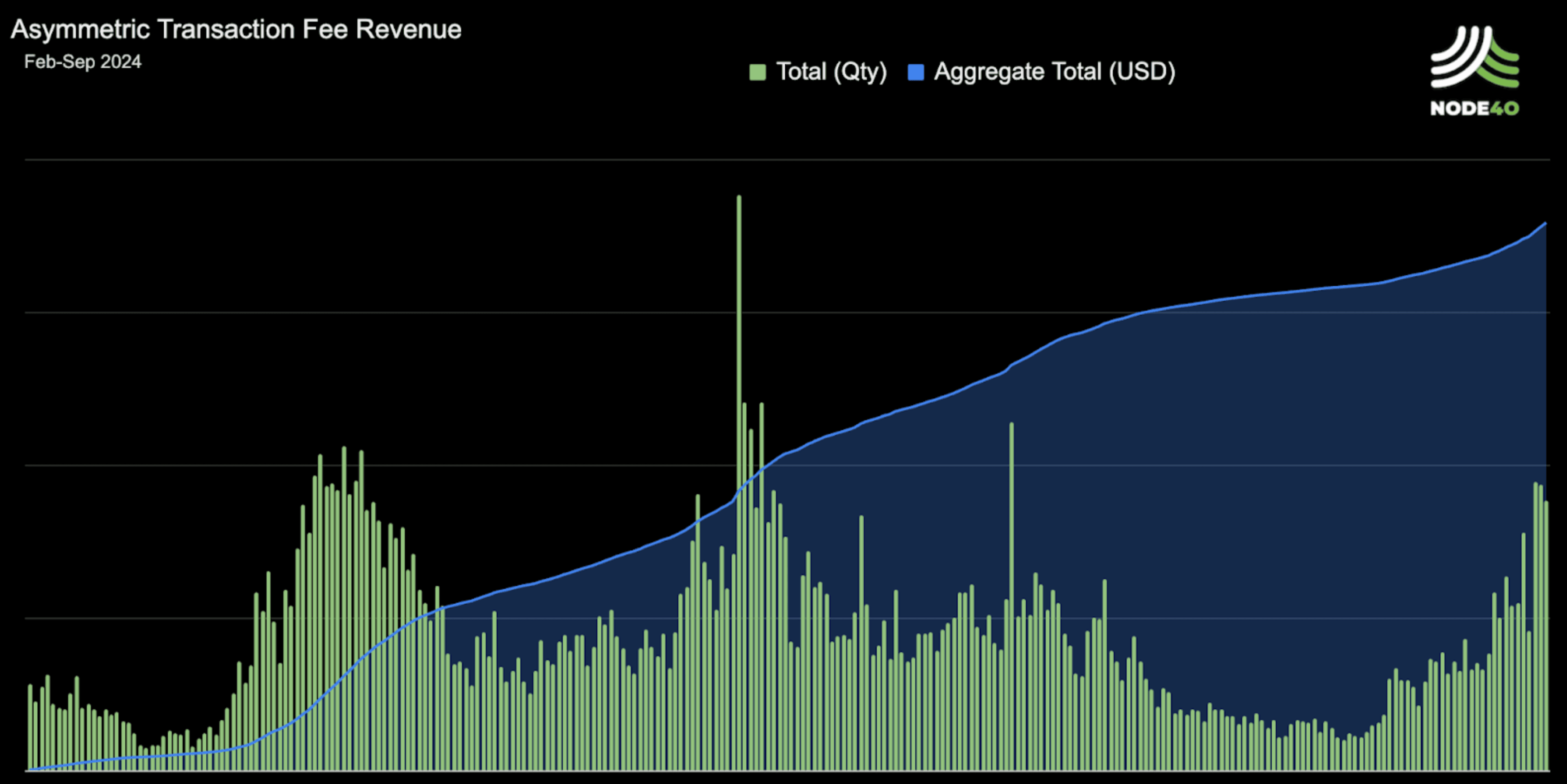
Solana processes 2,000-4,000 transactions per second. That’s 170+ million transactions per day. For validators, this creates a financial reporting challenge that doesn’t exist on slower chains:
The Solana-specific problems:
- Early slot timestamps missing (~38 million slots)
– Transactions before slot ~38 million lack precise timestamps – Without timestamps, you can’t calculate contemporaneous fair market value – Tax reporting requires FMV at time of receipt — guessing violates IRS requirements
- Compressed transaction data
– Solana’s state compression means multiple events (staking reward + MEV tip + transaction fee) can appear as a single on-chain transaction – Generic blockchain explorers show one line item – Accounting requires breaking this into separate income classifications (ordinary income vs capital gain treatment varies)
- Rent-exempt minimum balances
– Solana accounts require minimum SOL balance to remain active (currently 0.00203928 SOL for SPL token accounts) – This rent is NOT income — it’s a deposit that returns when the account closes – Generic tools classify rent deposits as “received tokens” → incorrect income reporting
- SPL token mechanics
– Wrapped tokens, associated token accounts, and program-derived addresses create “transfers” that aren’t taxable events – A validator moving SOL from vote account → identity account → withdrawal wallet looks like 3 transactions but is actually internal accounting – Misclassifying internal moves as taxable sales creates phantom tax liability
- Epoch-based reward distribution
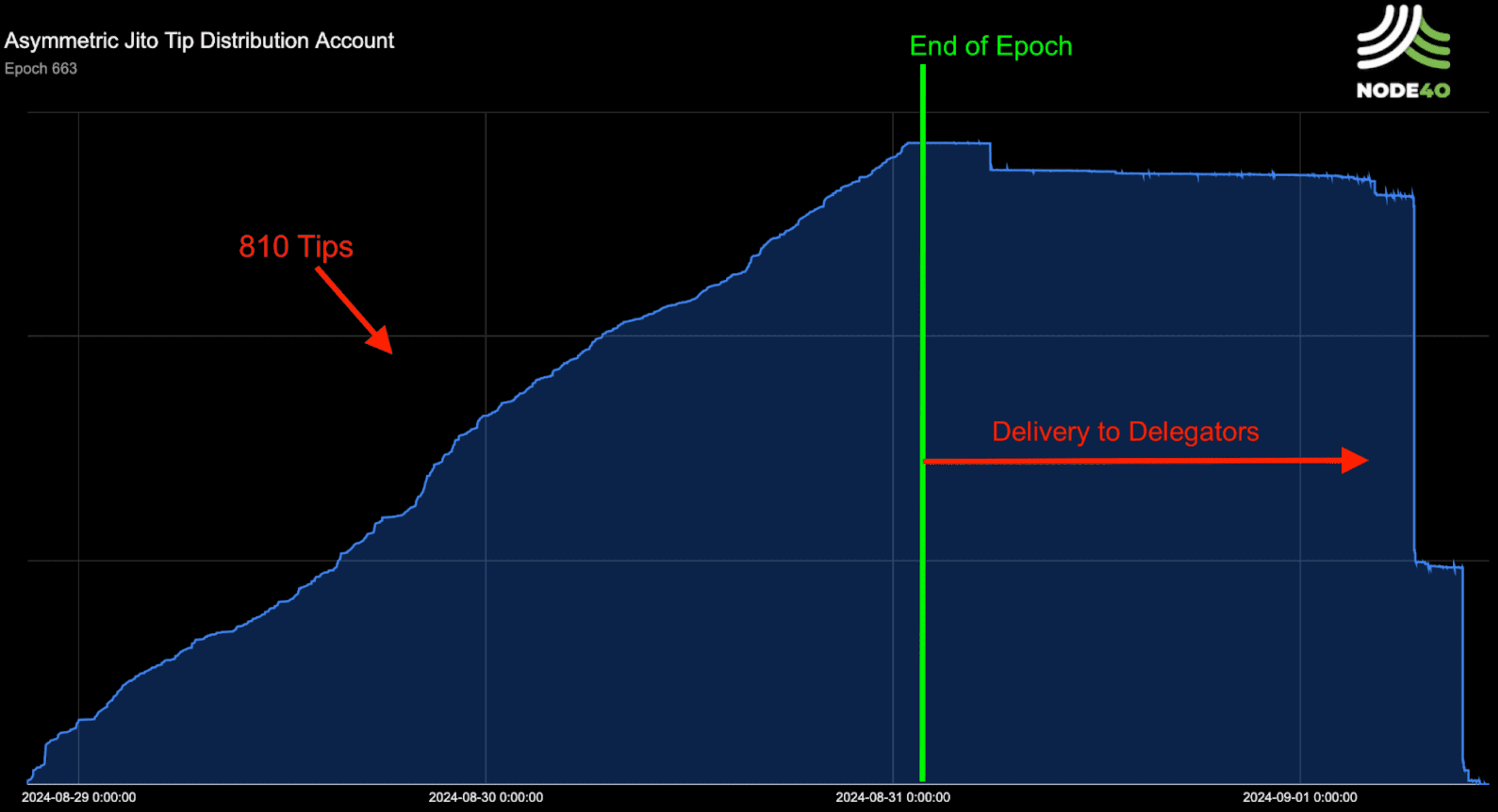
– Staking rewards accrue continuously but distribute at epoch boundaries (~2 days) – For accrual-based accounting (corporate validators), you need to track when rewards were earned, not just when distributed – Generic tools only show distribution date — missing the accrual timing needed for GAAP compliance
The result: A Solana validator processing 150 SOL in annual rewards (~$35,000 at $230/SOL) might generate 50,000+ transactions that require Solana-specific interpretation to classify correctly.
Before NODE40, most Solana validators faced three bad options:
- Manual reconciliation using blockchain explorers and spreadsheets (40+ hours per quarter, high error risk)
- Generic crypto tax software that misclassifies Solana-specific mechanics (incorrect tax liability, audit risk)
- Turn away accounting firms who can’t verify the data without Solana expertise (limiting growth and institutional credibility)
NODE40 eliminates this trade-off. NODE40 is built specifically for Solana’s architecture — handling early slot timestamps, rent mechanics, epoch timing, and SPL token complexity that generic tools miss.